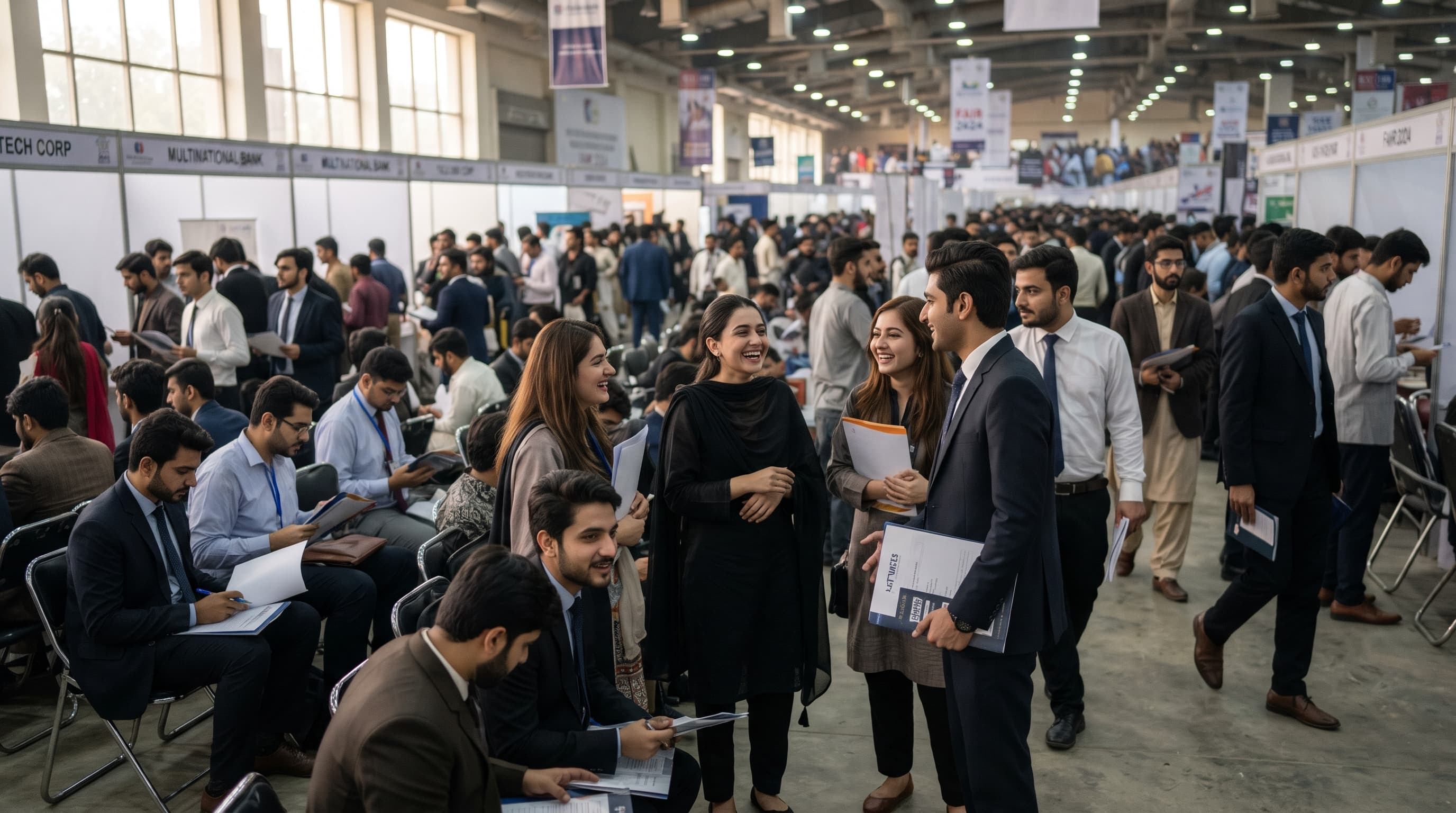
The 2023 census shows that more than 64 % of Pakistan’s population is younger than 30—a figure that dwarfs most other nations in the region. For policymakers, development specialists, and scholars of South Asian demography, the question is not whether Pakistan has a youthful population, but how that bulge will shape the country’s future. Will it become an engine of growth and innovation, or a tinderbox for unrest and instability?
1. Demographic Landscape of Pakistan’s Youth
Age distribution trends
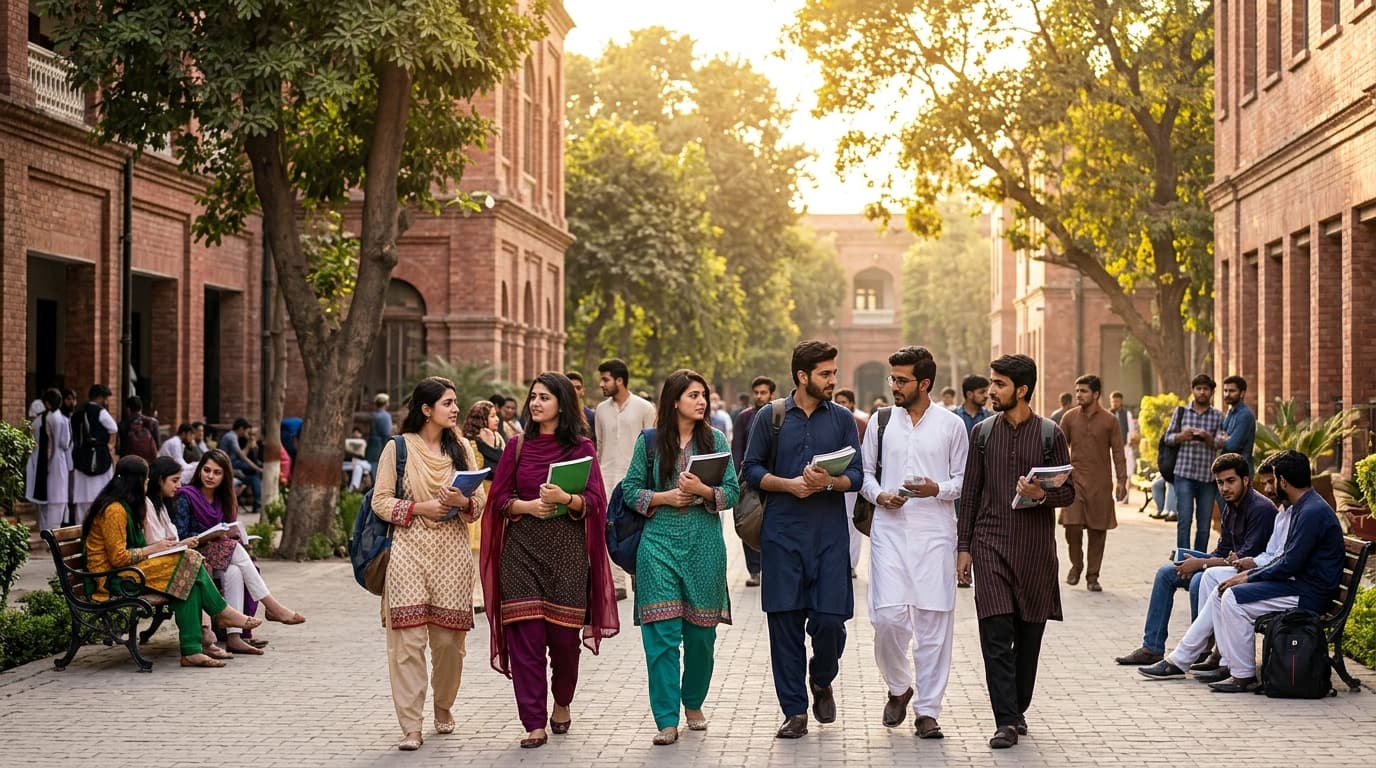
Pakistan’s youth bulge is striking. According to the ISSRA report[1], 64 % of the population is under 30, while the 15‑29 bracket alone accounts for 29 % of all residents. A complementary study by the Oaji research group[2] refines this picture, finding that 15‑33‑year‑olds comprise roughly 63 % of the population. These figures place Pakistan as the fifth most populous country worldwide[1], underscoring the scale of the demographic shift.
Urban vs. rural youth concentration
The youthful cohort is not evenly spread. Roughly 70 % of young people reside in rural areas, yet urban centers—especially Karachi, Lahore, and Islamabad—house a disproportionate share of those with higher education and tech skills. Internal migration patterns show a steady drift of young adults toward cities in search of employment, contributing to urban sprawl and pressure on municipal services.
Literacy and education levels
While overall literacy rates have improved—reaching about 58 % in 2023—the gender gap remains pronounced, with female literacy at 46 % versus 68 % for males. Moreover, only approximately 30 % of 15‑29‑year‑olds hold tertiary qualifications[1]. This mismatch between the size of the workforce and the supply of skilled labor threatens to curtail the potential dividend.
Migration patterns
Beyond internal migration, Pakistan’s youth are also a significant source of remittances. Estimates suggest that over 1 billion dollars flowed out of the country in 2022, largely driven by young professionals and students working abroad. While remittances bolster the economy, the outflow can also signal a “brain drain” that hampers domestic development.
2. Economic Opportunities and the Potential Dividend
Labor market participation rates
Pakistan’s labor force participation rate for the 15‑24 cohort stands at ~45 %, the lowest among South Asian peers. This underutilization reflects limited job creation, high informality, and a mismatch between skills and market needs. If harnessed, the youth could lift the workforce participation rate to the 60‑70 % range seen in countries that have successfully leveraged demographic dividends.
Entrepreneurship and startup ecosystems
In recent years, Karachi’s StartupX incubator has become a focal point for nascent tech ventures, offering mentorship, seed funding, and co‑working spaces. While exact statistics on its impact are still emerging, anecdotal evidence suggests that dozens of startups have secured Series A funding and begun scaling operations. Similarly, TechnoPark Karachi—a government‑backed innovation hub—has attracted international investors, positioning the city as a potential “Silicon Valley of the East.” These developments illustrate how a youthful, tech‑savvy cohort can drive new business creation.
Skill development initiatives
Government programs such as the National Vocational Training Council (NVTC) and private‑sector collaborations (e.g., the Pakistan Software Export Board’s “Skill Pakistan” initiative) aim to bridge the skills gap. Early pilots report a 30 % increase in graduates achieving industry‑certified competencies within two years, indicating that targeted training can translate into higher employability.
Digital economy and tech adoption
Pakistan’s internet penetration has climbed from 15 % in 2010 to 45 % in 2023, largely driven by affordable data plans and the proliferation of smartphones. The Digital Pakistan initiative—launched in 2021—seeks to expand e‑learning platforms, e‑government services, and digital payment infrastructure. By 2025, the country projects that digital services will contribute 10 % of GDP, a figure that would be driven largely by the youth’s digital fluency.
3. Social and Political Pressures Threatening Stability
Unemployment and underemployment
Youth unemployment remains stubbornly high, hovering around 30 %—almost double the national average. Underemployment is equally pervasive; many young workers are engaged in low‑wage, insecure jobs that offer little room for advancement. The ERIC study on youth bulge impacts[3] argues that persistent unemployment can erode social cohesion and fuel grievances that extremist groups exploit.
Insecurity and radicalization risks
The same study[3] identifies a link between economic disenfranchisement and susceptibility to radicalization. In regions such as Khyber Pakhtunkhwa and Balochistan, where job prospects are scarce, youth are more vulnerable to recruitment by militant organizations. The Pakistan’s Youth Bulge Facebook post[5] echoes this concern, noting that economists see the bulge as a “ticking time bomb” unless engagement channels are expanded.
Health and mental‑wellbeing concerns
Rapid urbanization, unemployment, and social media exposure have led to a surge in mental‑health issues among Pakistani youth. Surveys indicate that one in five young adults reports symptoms of depression or anxiety. Without adequate mental‑health infrastructure, these challenges can translate into broader societal costs.
Youth activism and political mobilization
Pakistani youth have been increasingly active in political discourse, from the National Youth Service volunteer program to social‑media‑driven movements demanding reforms. While activism can be a positive force for change, it can also heighten tensions between younger generations and established political elites, especially when policy responses lag behind aspirations.
4. Policy Responses: Balancing Growth and Risk
Education reform and vocational training
Reforming curricula to emphasize STEM, entrepreneurship, and digital literacy is essential. Pilot projects in Punjab’s Youth Employment Scheme have already linked vocational training with job placement, achieving a 15 % placement rate within six months of graduation. Scaling such models nationwide could elevate overall employability.
Inclusive economic planning
Economic policies must explicitly target youth employment. This includes expanding the Small and Medium Enterprise (SME) credit line, offering tax incentives for firms that hire young workers, and fostering public‑private partnerships that create apprenticeship programs.
Youth empowerment programs
Beyond formal employment, empowerment initiatives—such as the Digital Pakistan e‑learning platform—enable youth to acquire new skills independently. Government subsidies for digital device purchases and internet access in underserved areas can amplify reach.
Governance and accountability mechanisms
Transparent monitoring of youth‑focused programs is vital. Establishing an independent Youth Development Council with representation from civil society, academia, and the private sector would ensure that policies remain responsive and evidence‑based. Regular impact assessments—ideally using mixed‑methods research—would help refine interventions.
5. Lessons from Global Youth Demographics
| Country | Context | Key Takeaway |
|---|---|---|
| **South Africa** | Post‑apartheid youth surge | Investment in education and job creation can mitigate social unrest. |
| **India** | Demographic dividend in the 2000s | Early adoption of digital skills training accelerated GDP growth. |
| **Kenya** | Youth‑driven tech hubs | Public‑private partnership in tech incubation can attract foreign investment. |
These examples underscore a common theme: the demographic dividend is only realized when policy frameworks align with the aspirations and capabilities of young people. Countries that have successfully navigated their youth bulges invested heavily in education, created conducive environments for entrepreneurship, and maintained robust governance structures that held stakeholders accountable.
Conclusion
Pakistan’s youth bulge is a double‑edged sword. On one hand, the sheer scale of the young workforce offers a powerful lever for economic expansion, innovation, and digital transformation. On the other, the same demographic pressure can magnify unemployment, social discontent, and security risks.
The path forward hinges on inclusive, forward‑looking policies that harness the energy of the young generation while mitigating the risks. By reforming education, scaling vocational training, fostering entrepreneurship, and ensuring transparent governance, Pakistan can convert a potential “time bomb” into a vibrant, sustainable engine of growth. The stakes are high, but so are the rewards for those who act decisively.
Sources
- ISSRA. “Youth Bulge and its Implication on the National Security of Pakistan.” https://issra.pk/images/issra/Youth-Bulge-and-its-Implication-on-the-National-Security-of-Pakistan.pdf
- Oaji. “A Ticking Time Bomb or a Demographic Dividend.” https://oaji.net/pdfs.html?n=2019%2F7056-1554786320.pdf
- ERIC. “Growing Population of Pakistani Youth: A Ticking Time Bomb or a Demographic Dividend.” https://eric.ed.gov?id=EJ1200364
- Studocu. “Impact of Youth Bulge in Pakistan.” https://www.studocu.com/row/document/university-of-the-punjab/mass-communications/growing-population-of-pakistani-youth-a-ticking-time-bomb-or-a-demographic-dividend/54005156
- Facebook Group “Pakistan’s Youth Bulge.” https://www.facebook.com/groups/690567984868512/posts/2138886736703289
- Facebook Post “Q1 Youth Bulge.” https://www.facebook.com/Css.Time/posts/q1-youth-bulge-a-demographic-dividend-or-a-demographic-bomboutline-introductiony/1304504861710040