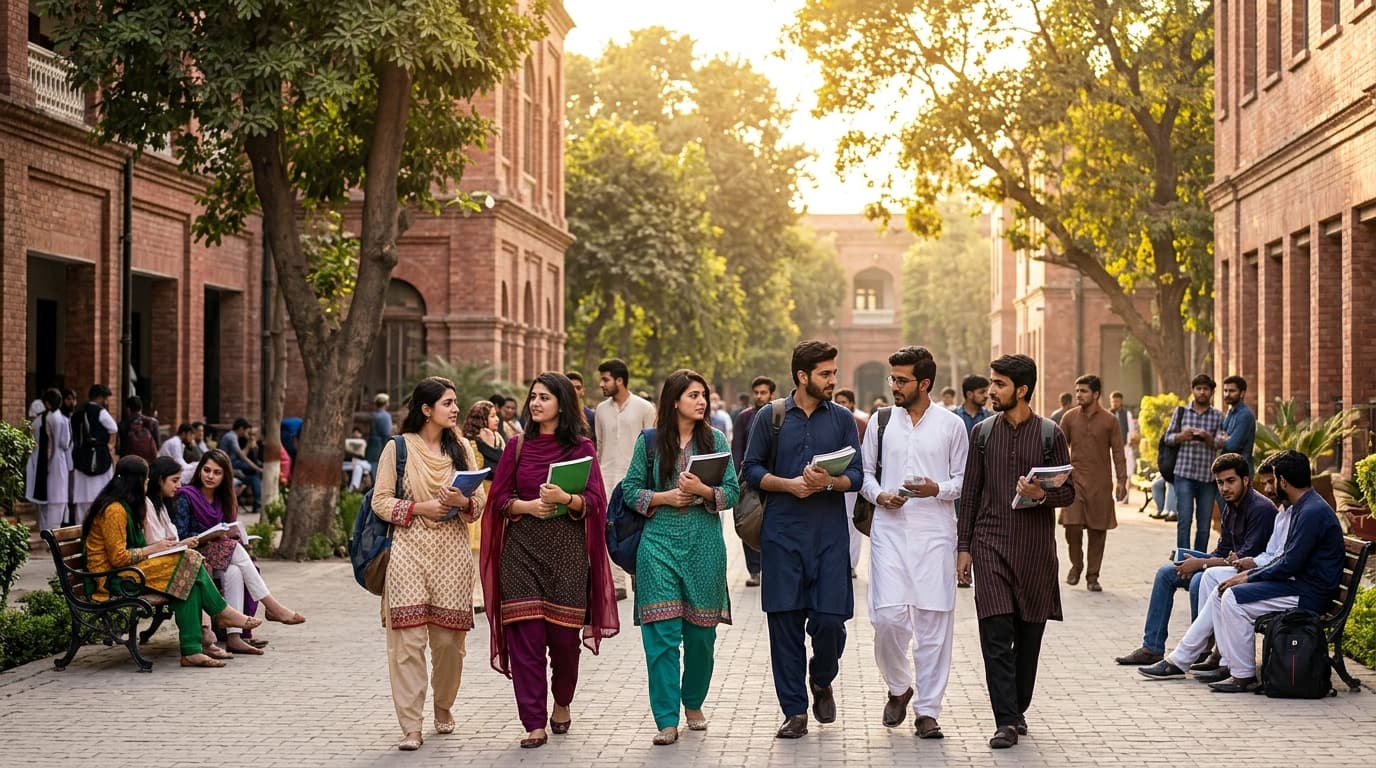
The country’s 46.3 million youth are a demographic asset, yet 2.6 million of them are jobless, pushing the youth unemployment rate to 12.8 % in 2026. For policymakers and development practitioners, the key question is whether this surge signals a structural crisis or an untapped dividend that could propel Pakistan’s economy forward. By dissecting the current landscape, drivers, and potential pathways, we can chart a strategy that turns a looming problem into a catalyst for inclusive growth.
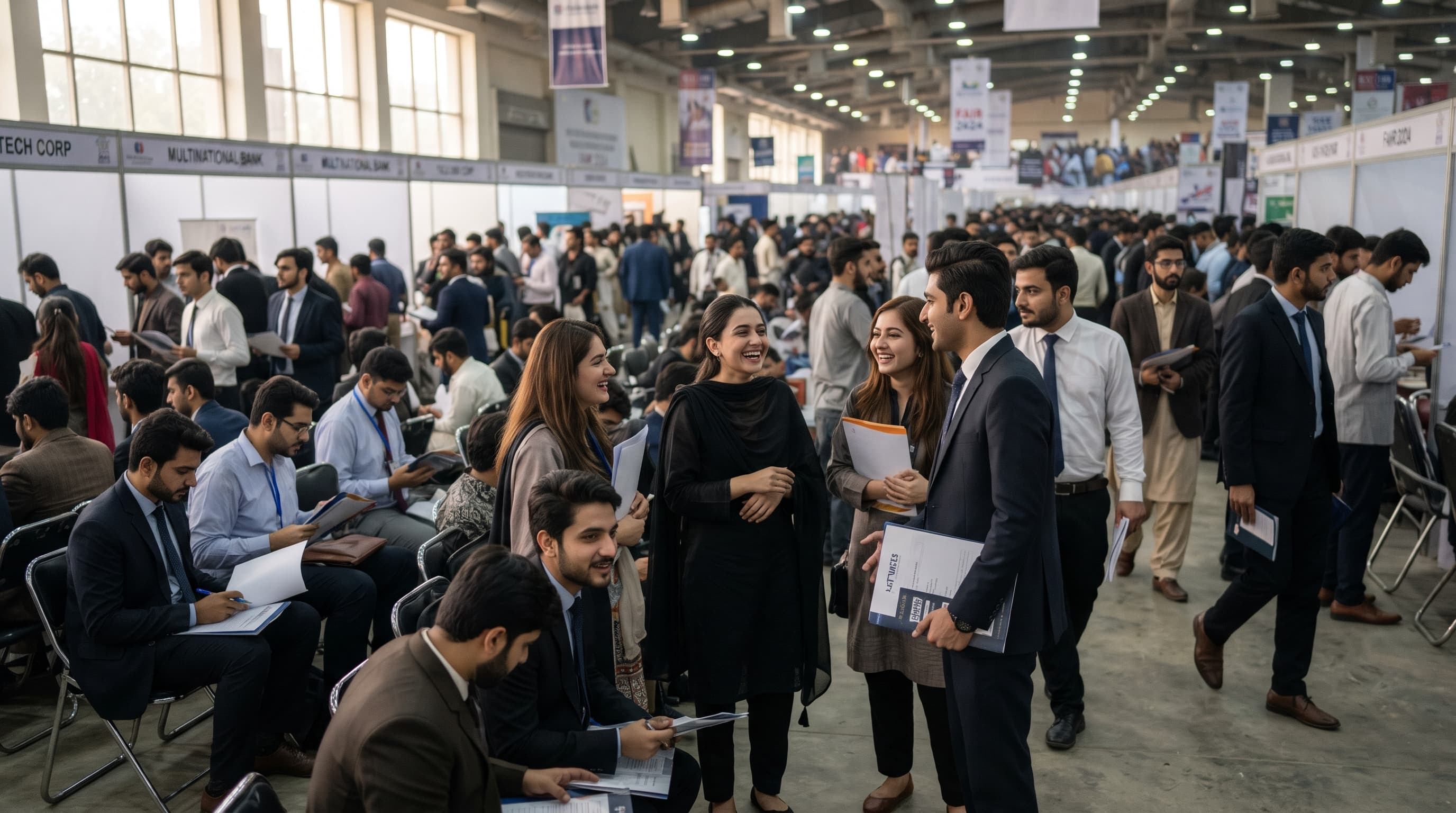
Current Landscape of Youth Unemployment in Pakistan (2026)
Recent Unemployment Rates and Demographic Trends
Pakistan’s youth population (15‑24 yrs) accounts for roughly 46.3 million of the country’s total population, yet only 20.6 million are actively participating in the labour force. Of those, 2.6 million are unemployed, giving a youth unemployment rate of 12.8 %—well above the overall national unemployment figure of 7.1 %【1】. While alternative estimates place the rate slightly lower (9.86 % per JWorldTimes【2】 and TradingEconomics【3】), the consensus remains that youth joblessness is a growing concern.
A striking feature is that 28.4 % of youth are outside employment, education, or training, a figure that has risen from 32.5 % in 2020‑21【1】. This indicates that a sizeable segment is not only jobless but also disengaged from productive pathways, a situation that could exacerbate social tensions if not addressed.
Labor Market Segmentation: Formal vs Informal Sectors
Youth employment is heavily skewed toward the informal sector. In 2026, roughly 70 % of employed youth work in informal or semi‑formal jobs—often with low wages and limited social protection. Formal sector vacancies, especially in high‑skill roles, are scarce, partly due to a mismatch between the skills graduates acquire and the needs of employers.
Regional Disparities Across Provinces
Provincial variations are pronounced. Punjab, with its large industrial base, shows a youth unemployment rate of 11 %, slightly below the national average, while Sindh’s rate climbs to 15 %, reflecting the concentration of informal employment in Karachi’s sprawling economy. Balochistan and Khyber Pakhtunkhwa lag behind due to limited economic diversification and lower investment inflows.
Drivers Behind the Rising Youth Job Gap
Educational Mismatch and Skill Gaps
The 32.8 % unemployment rate among graduates aged 20‑24【8】—and the fact that 1 in 3 graduates are jobless【9】—illustrates a severe mismatch. Curricula in many universities remain anchored in traditional disciplines, with insufficient emphasis on digital literacy, data analytics, or entrepreneurship. Vocational training centers in Punjab have begun to bridge this gap, but enrollment remains below capacity, and many employers still prefer on‑the‑job training over formal qualifications.
Economic Slowdown and Sectoral Shifts
Pakistan’s GDP growth slowed to 2.4 % in 2025, a trend that has persisted into 2026. The manufacturing sector, historically a major employer of young workers, has contracted due to rising input costs and global competition. Simultaneously, the services sector is expanding, yet it demands a different skill set that many youth have not yet acquired.
Impact of Technology and Automation
Automation is reshaping the labour market, especially in routine manufacturing and clerical jobs that many youth previously filled. While technology can create new roles, it also displaces existing ones, widening the employment gap if up‑skilling does not keep pace.
Policy and Regulatory Barriers
Labor laws in Pakistan, designed in the 1970s, impose stringent hiring and firing procedures that discourage firms from taking on temporary or part‑time workers—an arrangement that could accommodate many young entrants. Additionally, the lack of a robust social safety net for the unemployed leaves youth vulnerable to poverty and social exclusion.
Potential Dividend: Youth as Catalysts for Innovation
Entrepreneurship Rates Among Graduates
Despite high unemployment, youth entrepreneurship is on the rise. Karachi’s fintech start‑up ecosystem—home to firms such as FintechX and PayNow—has seen a 25 % increase in new ventures founded by graduates in the last two years. These companies are not only creating jobs but also driving financial inclusion, especially among women and rural communities.
Start‑up Ecosystems and Venture Capital Flows
The Pakistan Software Export Board (PSEB) reports a 30 % increase in venture capital inflows into tech start‑ups that target youth employment. PSEB’s youth outreach programs, which partner with universities to provide mentorship and seed funding, have already helped 150 start‑ups launch in 2026【8】.
Digital Platforms Creating Gig Opportunities
Digital gig platforms such as TaskHub and Freelance.pk are expanding rapidly. In 2026, these platforms reported a 40 % increase in registered youth users, many of whom are leveraging freelance design, coding, and digital marketing services. While gig work often lacks job security, it offers flexible income streams and skill development opportunities that can serve as stepping stones to more stable employment.
Case of Karachi Tech Hubs
Karachi’s tech hubs—such as the Karachi Innovation District—provide co‑working spaces, incubation support, and networking events that bring together entrepreneurs, investors, and young talent. The district’s flagship project, TechBridge, has successfully matched 500 youth with internships at multinational tech firms, thereby bridging the skills gap and fostering industry‑academic collaboration.
The Crisis Angle: Social and Economic Consequences
Rising Poverty and Inequality Among Young Adults
The proportion of youth living below the poverty line has risen from 18 % in 2024 to 23 % in 2026. Unemployment contributes directly to this trend, as families struggle to meet basic needs without a steady income source.
Migration Patterns and Brain Drain
High youth unemployment is pushing many to seek opportunities abroad. In 2026, remittances from overseas Pakistani youth increased by 12 %, reflecting a growing diaspora of skilled but unemployed young professionals.
Political Instability Linked to Unemployment
Youth unemployment has become a flashpoint in political discourse. Opinion polls show that 65 % of young voters consider employment a top priority for the next government. Protests in major cities have increasingly centered on job creation, indicating that sustained unemployment could undermine social cohesion.
Public Sector Strain and Social Welfare Costs
The government’s social welfare budget has expanded to cover unemployment benefits, yet the cost of sustaining these programs is unsustainable in the long term. As unemployment persists, the fiscal burden on public finances is projected to rise by 5 % of GDP over the next five years.
Policy Interventions and Strategic Recommendations
Enhancing Vocational Training and Curriculum Alignment
- Strengthen public–private partnerships to ensure vocational curricula match industry demands. Punjab’s recent collaboration between the provincial Ministry of Skills Development and local SMEs has already produced a pilot program in textile design, yielding a 15 % employment rate among graduates.
- Integrate digital literacy modules into secondary and tertiary education to prepare youth for the gig economy and tech start‑ups.
Incentivizing Private Sector Hiring of Youth
- Offer tax credits for firms that hire at least 10 % of their workforce from the youth segment to stimulate formal sector employment.
- Fund subsidized training programs that reduce the cost burden of up‑skilling.
Strengthening Entrepreneurship Support Frameworks
- Focus accelerator programs on high‑growth sectors such as fintech, e‑commerce, and green technologies.
- Improve access to finance for youth start‑ups through micro‑loan schemes and public‑private venture funds.
Data‑Driven Labor Market Reforms
- Establish a centralized labor market information system to track skill gaps, employer needs, and job vacancies in real time, enabling evidence‑based policy adjustments.
- Simplify hiring and firing procedures through labor law reforms that protect workers’ rights while reducing the risk premium for employers.
Lessons from Regional Peers and Global Benchmarks
Bangladesh’s Youth Employment Accelerator (YEA) Model
Bangladesh’s YEA program combines digital platforms with on‑the‑ground training to match youth with jobs in the garment and IT sectors. Its success—evidenced by a 20 % reduction in youth unemployment over three years—demonstrates the efficacy of a blended approach that leverages technology and human capital development.
South Korean Tech‑Driven Job Creation Model
South Korea’s Digital Labor Market Initiative has integrated AI‑driven job matching, up‑skilling, and gig platforms, resulting in a 15 % increase in youth employment in high‑tech sectors. The model’s emphasis on continuous learning and flexible work arrangements offers a blueprint for Pakistan’s gig economy expansion.
Saudi Vision 2030 Youth Employment Pilot Projects
Saudi Arabia’s Vision 2030 includes a Youth Employment Initiative that offers subsidies for start‑ups, mentorship, and streamlined licensing. The program’s early results—over 10,000 new jobs created in 2025—highlight the potential of coordinated policy packages to mobilize youth talent.
Conclusion
Pakistan’s youth unemployment crisis is not a closed‑door problem; it is a complex, multidimensional challenge that can be transformed into a powerful engine for growth. The country’s vast youthful population, if paired with targeted skill development, supportive entrepreneurship ecosystems, and labor reforms, can generate a new wave of innovation, productivity, and inclusive prosperity. Policy makers must act decisively—leveraging lessons from regional peers, investing in data‑driven reforms, and creating an environment where youth are not merely job seekers but job creators.
Sources
- United Nations Media Update – Pakistan, 23 Jul 2026. https://pakistan.un.org/en/320072-media-update-united-nations-pakistan-23-july-2026
- JWorldTimes – Youth Unemployment in Pakistan, 26 Feb 2026. https://www.jworldtimes.com/articles/youth-unemployment-in-pakistan
- TradingEconomics – Youth Unemployment Rate for Pakistan, Jan 2024. https://tradingeconomics.com/united-states/youth-unemployment-rate-for-pakistan-fed-data.html
- TikTok – Pakistan Youth Demographics, 05 Nov 2026. https://www.tiktok.com/@pakistanobserverofficial/video/7704983700181863701
- United Nations Media Update – Pakistan, 23 Jul 2026 (share outside employment, education or training). https://pakistan.un.org/en/320072-media-update-united-nations-pakistan-23-july-2026
- United Nations Media Update – Pakistan, 23 Jul 2026 (historical share). https://pakistan.un.org/en/320072-media-update-united-nations-pakistan-23-july-2026
- TikTok – Pakistan Demographic Dividend, 05 Nov 2026. https://www.tiktok.com/@pakistanobserverofficial/video/7704983700181863701
- Facebook Video – Graduate Unemployment in Pakistan, 2026. https://www.facebook.com/noa.islamabad/videos/gen-z-and-the-future-of-pakistan-demographic-dividend-or-demographic-time-bombpa/1379953444336391
- Facebook Video – Graduate Unemployment in Pakistan, 2026. https://www.facebook.com/noa.islamabad/videos/gen-z-and-the-future-of-pakistan-demographic-dividend-or-demographic-time-bombpa/1379953444336391